
Observation and Blind Spots
The Hound of the BaskervillesThis thematic thread traces the novel’s interest in how ordinary details can be overlooked, misread, and finally assembled into knowledge.
increasing Bearing strength in each event
 decreasing
Bearing strength in each eventdecreasingThe Cane’s Marks
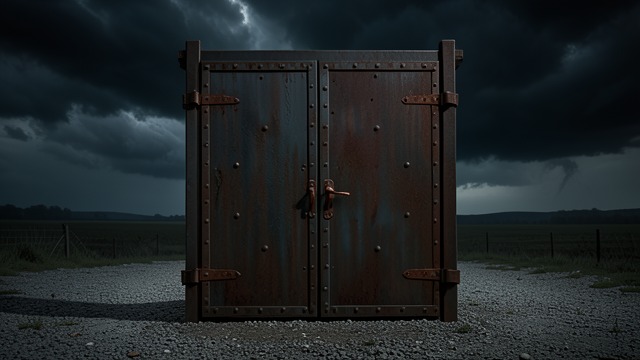
The Cane’s Marks
Watson’s reconstruction
Watson infers a country doctor from a worn stick, correctly noticing the walking evidence.
Holmes revises the picture
The inscription and date reveal a young former hospital worker rather than an elderly practitioner.
Observation succeeds only when clues are tested.
The Newspaper Type
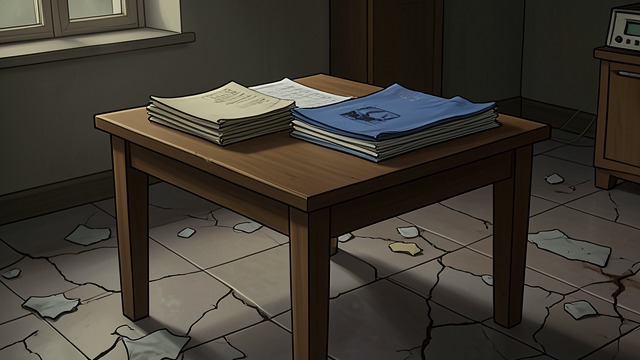
The Newspaper Type
Print recognized
Holmes identifies the cut words as coming from a Times leader by its distinctive type.
Expertise made visible
A specialist’s familiarity turns an ordinary printed page into evidence of origin and method.
The obvious becomes useful through trained attention.
The Cigar Ash
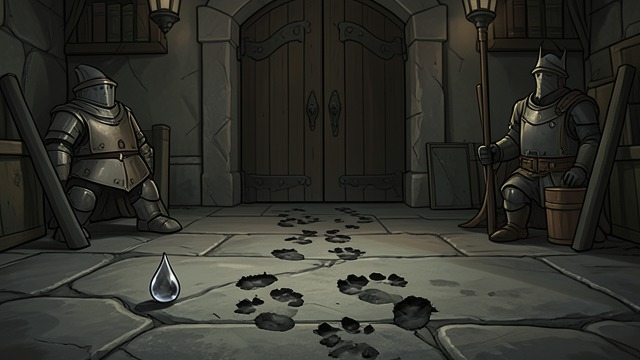
The Cigar Ash
Time inferred
Mortimer reasons from two drops of ash that Charles waited at the gate for several minutes.
Routine reinterpreted
A habitual evening walk conceals a deliberate appointment.
A minor residue transforms a vague timeline into a meaningful one.
The Portrait’s Face
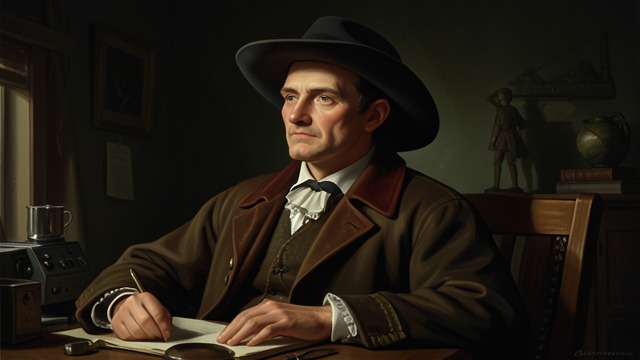
The Portrait’s Face
Appearance stripped away
Holmes frames Hugo’s hair and hat to compare the underlying face with Stapleton.
Identity found in likeness
The resemblance suggests a hidden family connection and a motive for the crimes.
Looking past decoration proves more valuable than staring at it.
The Old Boot
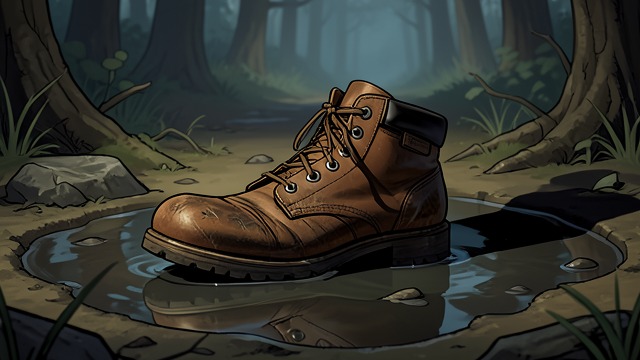
The Old Boot
A strange incident clarified
The theft of a worn boot reveals the need for Henry’s scent to guide the hound.
Clues converge
The boot, the dog, and the attack form a causal chain that earlier seemed absurd.
Careful attention converts the novel’s loose ends into proof.
The opening breakfast conversation
During the warning-letter examination
During Mortimer’s account of Charles’s death
During supper at Baskerville Hall
In Holmes’s final reconstruction
